Benefits of Immunotherapy for Cancer: A Complete 2026 Guide
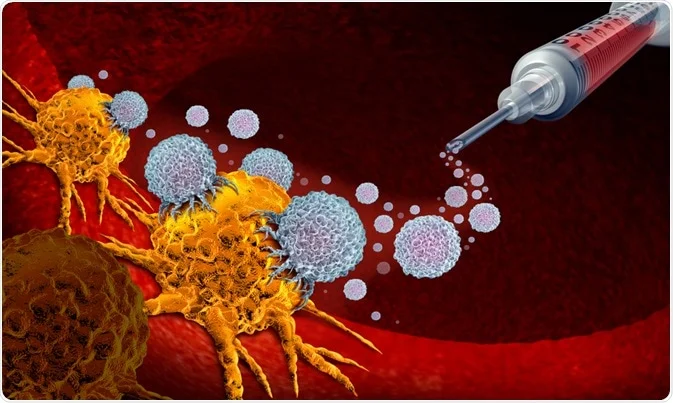
Immunotherapy is a cancer treatment that trains and strengthens a patient's own immune system to recognize and destroy cancer cells, rather than attacking the tumor directly with drugs or radiation. Its biggest benefit over older treatments is durability — a meaningful share of patients who respond to immunotherapy stay in remission for years after treatment ends, something rarely seen with chemotherapy alone.
Dr. Abhinav Narwariya, Senior Consultant and Unit Head of Medical Oncology at Max Hospital, Shalimar Bagh, Delhi, explains what immunotherapy actually does, which cancers benefit most, what the latest data shows, and how patients in Delhi NCR can find out if they're candidates.
What Is Immunotherapy?
Immunotherapy works by removing the "brakes" cancer cells use to hide from the immune system, or by boosting the immune system's ability to find and attack tumors. The most widely used class — immune checkpoint inhibitors — blocks proteins like PD-1, PD-L1, and CTLA-4 that cancer cells exploit to avoid immune detection. Since the first checkpoint inhibitor was approved in 2011, this class of drugs has become the dominant force in new cancer drug development, with over 150 immunotherapy approvals granted by the U.S. FDA through 2025.
How Immunotherapy Differs from Chemotherapy
Immunotherapy's mechanism — and its potential for durable, treatment-free remission — is what sets it apart from older treatments.
| Feature | Chemotherapy | Immunotherapy |
|---|---|---|
| Mechanism | Kills fast-dividing cells broadly | Activates the immune system to recognize and destroy cancer cells |
| Testing Required | Not usually | Often — PD-L1, MSI/MMR, and tumor mutational burden testing |
| Side Effect Pattern | Hair loss, nausea, immune suppression | Immune-related inflammation — skin, gut, lungs, or hormone-producing glands |
| Durability of Response | Typically requires ongoing treatment to maintain control | Can produce durable remission that continues after treatment stops |
| Example Drugs | Cisplatin, Paclitaxel | Pembrolizumab, Nivolumab, Ipilimumab |